Insight
Burnham's Great British Grid - What It Means for your Business
How Andy Burnham's Great British Grid could cut connection delays and energy costs for UK businesses, and what to do while you wait.
National Grid
October 4, 2026
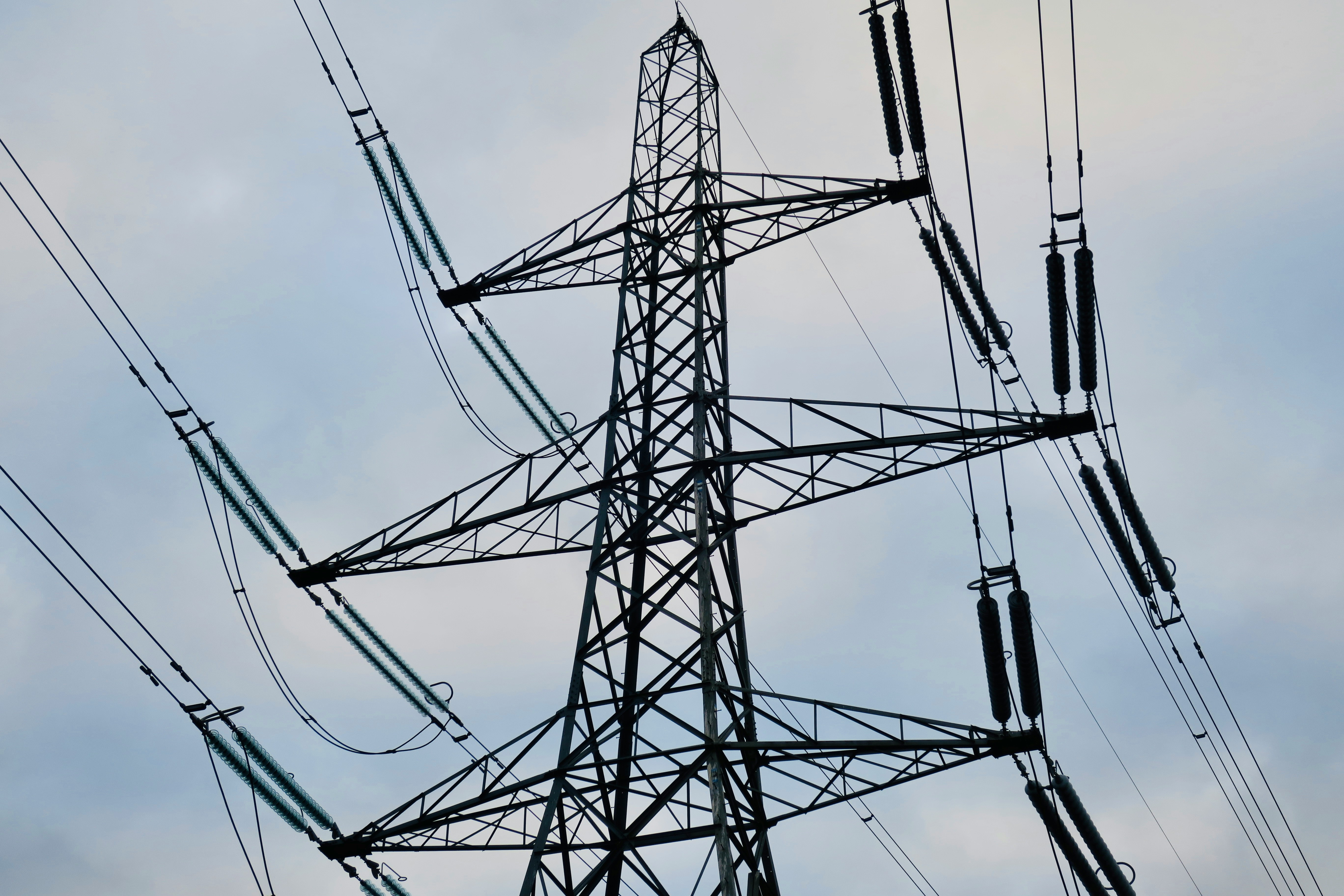
There is an old, quiet tragedy that plays out every week in industrial parks across the country.
It goes something like this: A growing British manufacturing firm plans to double production, install high-efficiency equipment, or upgrade its logistics fleet. The boardroom allocates private capital. The strategy is set.
Then, the state-regulated grid bureaucracy steps in with a reality check.
"We are pleased to process your application for a grid connection upgrade. Your estimated date for energisation is November 2038."
Fourteen years. Fourteen years of waiting to plug in an industrial boiler, bring a data floor online, or expand a factory.
For years, the real handbrake on British enterprise hasn't been a lack of private ambition or capital; it's been a sclerotic, heavily regulated planning apparatus and an inflexible, state-managed grid framework.
This week at the Labour Party Conference, Prime Minister Andy Burnham stepped up to the podium to announce his solution: Great British Grid.
The government's answer to statutory failure? More government. Housed under state-backed Great British Energy, GB Grid is pitched as a central entity designed to co-invest, build infrastructure, and inject "competition" into the network.
The ministerial rhetoric promises lower bills and faster connections. But for free-market enterprise and real-world business owners, centralising power under state direction rarely yields efficiency. What does this bureaucratic expansion actually mean for commercial balance sheets?
Unpicking the Intervention: What Great British Grid Really Involves
To understand the risks facing British enterprise, you have to look past the political packaging.
The UK's grid delays aren't caused by a market failure; they result from oppressive planning laws, excessive red tape, and an over-regulated market structure that incentivised speculative projects to hog connection queues.
Burnham's initiative introduces three headline changes:
State-Backed Interventionism:
GB Grid will deploy taxpayer-backed seed capital from GB Energy to co-invest and directly build transmission lines. Rather than deregulation, the state is entering as a subsidised player alongside existing private operators.
Expanded Self-Build Rights:
In a rare nod to market freedom, the plan expands self-build mechanisms, allowing commercial developers and industrial sites to build their own connection assets rather than waiting in the state utility queue.
Queue Administration:
Working alongside regulators, the government promises to purge hundreds of gigawatts of "phantom capacity" speculative green energy projects that tied up grid capacity without ever intending to build.
My View: The Misguided State Myth and Real-World Risks
The fundamental flaw in Andy Burnham's logic is the assumption that setting up another public body solves structural supply chain and planning failures. State intervention doesn't magically manufacture high-voltage transformers, nor does it create thousands of skilled engineers overnight.
Here is my honest take on what this political manoeuvring means for commercial enterprise:
More Red Tape, Not Less: Inserting a state-owned enterprise alongside Ofgem, NESO, and regional operators risks adding layers of bureaucratic sign-off. Public sector oversight tends to slow delivery down, not speed it up.
Distorting the Market: When a state enterprise co-invests using public funds, it risks crowding out private investment and distorting infrastructure pricing.
The Silver Lining (Self-Build): The genuine win for business isn't public ownership; it's deregulation. Allowing firms to bypass state monopolies and build their own infrastructure is the true path to cutting lead times.
What Businesses Consistently Get Wrong About Grid Bureaucracy
Too many leadership teams fall into the trap of relying on state policy to solve operational problems. The arrival of Great British Grid will only punish companies that wait for ministerial promises to materialise.
1. Believing Government Promises on Timelines
The single biggest mistake executives make is assuming state intervention will magically clear connection backlogs overnight. Relying on target dates politicians set in speeches is a recipe for stalled capital projects.
The reality: Grid constraints will remain an operational reality for years. Treat energy availability as a critical real estate metric during early site selection, long before contracts are signed.
2. Waiting for a Bigger Cable Instead of Optimising Onsite
Companies frequently apply for massive capacity upgrades, receive astronomical quotes from regional operators, and freeze capital expenditure.
What they miss: Growth doesn't require begging the state for a larger connection pipe. Through behind-the-meter battery storage, onsite solar, and load-shaving technologies, businesses can often double their operational capacity using their existing grid allocation without paying extortionate utility upgrade fees.
3. Failing to Bypass Monopoly Operators
Many business leaders accept 8-to-10-year connection estimates without exploring independent, market-led alternatives. By leveraging expanded self-build frameworks and hiring Independent Connection Providers (ICPs) directly, firms can take control of their own infrastructure and cut delivery times in half.
How to Stay Ahead: A Free-Market Enterprise Framework
Rather than waiting for Whitehall to build a network, business leaders should take direct control of their energy security. Here is a practical framework to outmanoeuvre state-driven bottlenecks:
+-----------------------------------------------------------------------+
| COMMERCIAL SELF-RELIANCE MATRIX |
+-----------------------------------------------------------------------+
| 1. INDEPENDENT CAPACITY AUDIT |
| - Audit true operational power usage versus contract limits. |
| - Uncover unused headroom in current connections immediately. |
+-----------------------------------------------------------------------+
| 2. BEHIND-THE-METER AUTONOMY |
| - Install Battery Energy Storage Systems (BESS) and private solar. |
| - Shave peak loads to bypass the need for state grid upgrades. |
+-----------------------------------------------------------------------+
| 3. PRIVATE "SELF-BUILD" PROCUREMENT |
| - Bypassing DNO queues by exercising independent self-build rights.|
| - Contract directly with accredited connection providers (ICPs). |
+-----------------------------------------------------------------------+
| 4. VALUE RECAPTURE & ARBITRAGE |
| - Trade flexibility into open power markets for dynamic yield. |
| - Turn energy overheads into an active commercial asset. |
+-----------------------------------------------------------------------+
Step 1: Audit What You Already Own
Before submitting a request to a bureaucratized queue, audit your actual energy usage. Most commercial facilities peak for only brief windows during the day and operate with vast unused headroom the rest of the time. Analysing half-hourly data often reveals enough hidden capacity to expand without asking the grid for a single extra kilowatt.
Step 2: Build Private Assets Behind the Meter
Take control of your power generation. Installing behind-the-meter battery storage and solar lets you draw power during off-peak hours when the network is cheap and clear, then discharge it during peak production cycles. You secure the capacity you need immediately without spending years waiting for state pylons.
Step 3: Bypass the Monopolies via Contestable Works
If a physical grid connection upgrade is unavoidable, do not accept the standard utility timetable. Exercise your legal rights to self-build. By hiring private Independent Connection Providers (ICPs) to build your grid link, you control procurement, avoid utility markups, and accelerate delivery timelines.
Step 4: Monetise Onsite Flexibility
Market volatility creates commercial opportunity. Modern power markets reward businesses that can shift their demand dynamically. By selling flexibility and battery capacity back to the balancing market during peak demand, energy shifts from a fixed overhead to an active, revenue-generating asset.
The Bottom Line
Andy Burnham's Great British Grid is classic big-government policy: responding to bureaucratic failure by creating more bureaucratic apparatus. While self-build reforms and queue cleansing are welcome concessions to market common sense, the overarching state-led approach risks adding process drag and administrative cost.
Commercial enterprise cannot afford to wait for state planning to catch up with private ambition.
The companies that thrive won't be those waiting for government agencies to deliver cheaper power to their front door. They will be the businesses that take control of their own infrastructure, invest in behind-the-meter autonomy, leverage competitive market options, and build an energy strategy that is immune to state inefficiency.


